
No Ball Meaning in cricket is more than just a rule. It is a moment that can change a game, spark laughter, and keep players and fans on their toes. Understanding it is part of enjoying the game fully.
I love watching cricket because even the tiniest mistakes make big differences. A no ball can turn frustration into fun and create moments worth remembering. Let’s dive into the world of no balls and see why they matter on and off the field.
See also: 140 Dance Puns That Will Make You Twirl With Laughter
Types Of No Ball In Cricket
Different types of no balls can confuse beginners, but each has its own story. Knowing them keeps the game fun and helps you impress friends with your cricket knowledge.
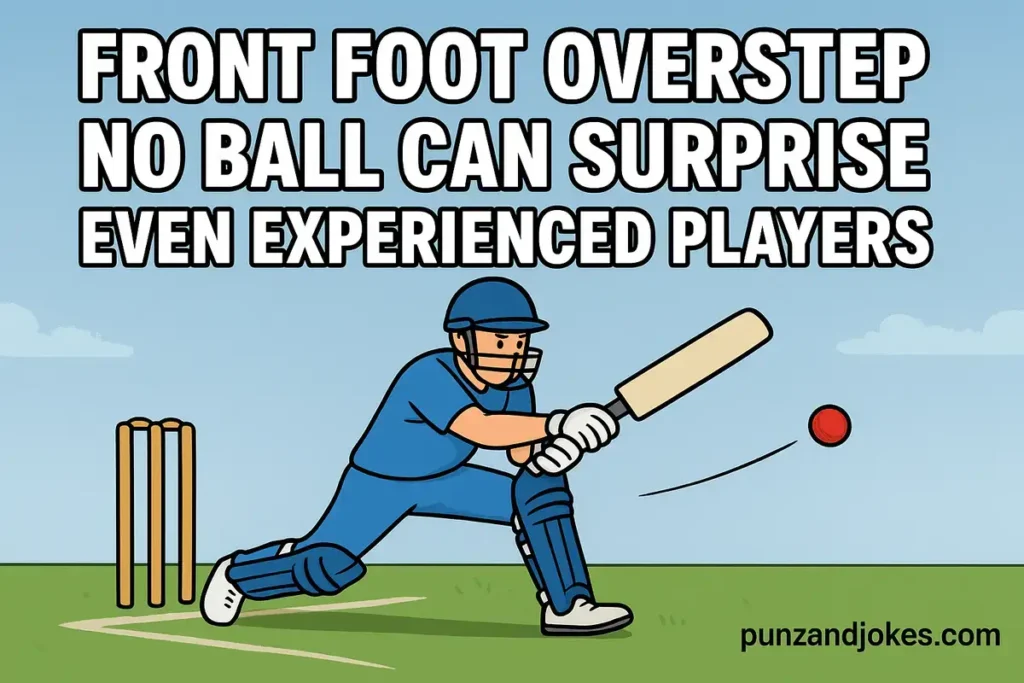
- Front foot overstep no ball can surprise even experienced players.
- High full toss can make a batsman jump in shock.
- Waist-high delivery counts as a no ball for safety.
- Overarm delivery in the wrong form is instantly called.
- Back foot overstep is less common but still counted.
- Beamers are dangerous and always flagged.
- The ball bouncing multiple times before reaching the batsman is a no ball.
- Throwing instead of bowling leads to an illegal delivery.
- Breaking the wicket before releasing the ball is penalized.
- Bowler running on the wrong side of the crease counts.
- No ball for underarm bowling in competitive matches.
- Any ball delivered above head height in certain formats is illegal.
- Bowler stepping outside return crease is penalized.
- Delivering with a foreign substance can be called a no ball.
Expert insight: Understanding the types shows knowledge, but confidence makes you memorable. Knowing the rules is great, but sharing them with humor makes cricket social.
Waist Height No Ball Rules In Cricket
Waist height rules protect batsmen and make the game safe. These no balls often lead to dramatic moments on the field.
- A delivery above the waist is immediately called.
- Batsmen have a clear signal when safety rules apply.
- Bowlers adjust their style to avoid penalties.
- Crowd cheers when a waist-high no ball occurs.
- It gives the batting side an extra chance to score.
- Protects players from serious injury.
- Umpires have a clear standard for calls.
- Even the most skilled bowlers make mistakes.
- Waist-high calls often change game momentum.
- Fielders stay alert after every delivery.
- Safety rules help young players learn the sport.
- Bowlers practice height control to avoid calls.
- It’s part of modern cricket rules.
- Sometimes waist-high deliveries are accidental but still counted.
Expert insight: Safety rules show respect. The most charismatic players use these moments to show sportsmanship and humor.
No Ball Meaning New Rules
Cricket evolves and so do no ball rules. Staying updated keeps fans in the game and players sharp.
- Free hit after a front foot no ball is now standard.
- Technology aids umpires in calling illegal deliveries.
- Height limits for different formats are clearly defined.
- Side crease overstepping is more strictly monitored.
- New rules prevent dangerous bowling.
- Free hit gives batsmen scoring advantage.
- Bowlers learn to adapt quickly.
- New signals make umpire calls clearer.
- Penalties encourage fair play.
- Younger players understand boundaries better.
- Changes make cricket more engaging for viewers.
- Free hit moments often lead to big sixes.
- Broadcast highlights show no balls clearly.
- Rules help maintain cricket’s balance between safety and excitement.
Expert insight: Being aware of rules gives credibility, but how you react in style and humor makes your presence unforgettable.
No Ball Rules In Test Cricket
Test cricket is slow and strategic, making no balls crucial. Every illegal delivery is a learning opportunity.
- Front foot no ball counts immediately.
- Batsmen often capitalize on mistakes.
- Technology checks foot placement carefully.
- Free hits are rare in test cricket.
- Bowlers refine their control over long sessions.
- Umpires stay alert for waist-high deliveries.
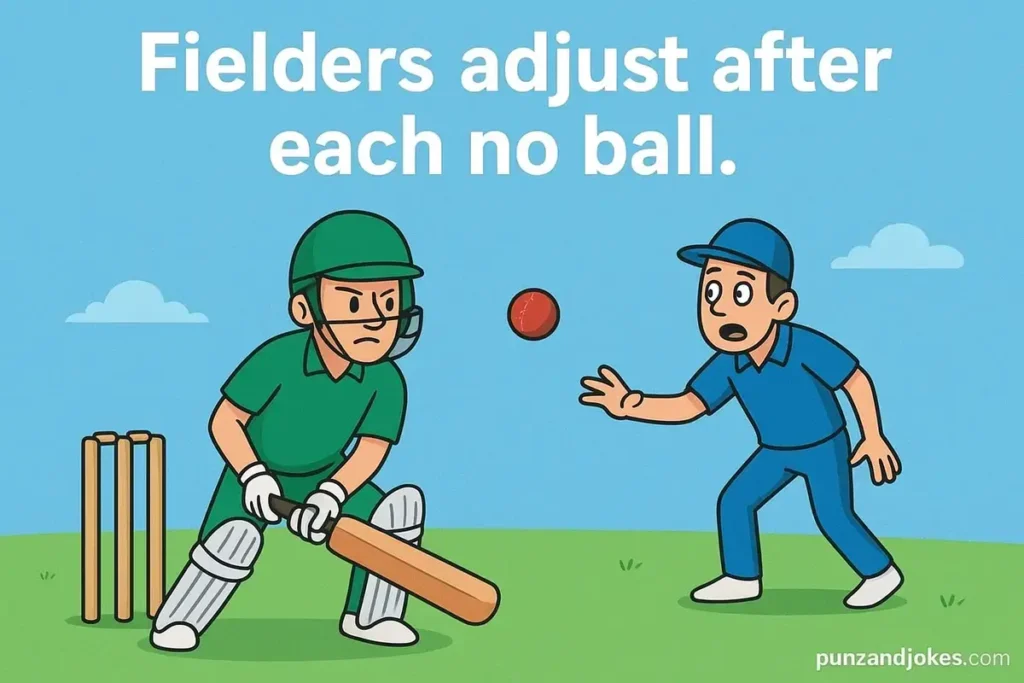
- Fielders adjust after each no ball.
- Crowd reactions are subtle but noticeable.
- Overstepping is a big focus for consistency.
- Safety always comes first.
- Test matches teach patience and accuracy.
- Bowlers who avoid no balls gain trust from captains.
- Strategic runs are planned after a no ball.
- Understanding the rule helps fans enjoy the game more.
Expert insight: Knowledge shines in Test cricket, but personality and humor make even slow moments memorable.
No Ball Rules In T20 Cricket
T20 cricket is fast and intense, so no balls often change outcomes instantly.
- Free hit after a front foot no ball is standard.
- High full tosses are penalized for safety.
- Bowlers work on speed and accuracy.
- Crowd goes wild after a no ball and six.
- Quick reactions are crucial.
- Umpires signal clearly to avoid confusion.
- Batsmen often exploit mistakes for runs.
- Teams plan strategies around penalties.
- Side crease monitoring is strict.
- Free hits add excitement for viewers.
- Bowlers adapt after every delivery.
- No balls in T20 can decide matches.
- Fielders support bowlers after mistakes.
- Humor helps players stay calm under pressure.
Expert insight: In fast formats, confidence and timing matter more than the rule itself. Humor keeps the energy alive.
No Ball Stumping Out Or Not
Stumping rules can get tricky when a no ball meaning is involved. Knowing the details helps fans enjoy every twist of the game.
- A batsman cannot be stumped off a no ball.
- Umpires signal clearly to avoid confusion.
- Fielders must wait for legal deliveries to attempt stumping.
- No balls give extra chances to the batting side.
- Quick decisions matter in tense moments.
- Bowlers must stay alert to avoid penalties.
- Even skilled wicketkeepers double-check the call.
- Crowd often reacts with suspense and cheer.
- Teams plan stumping strategies carefully.
- Free hits often follow illegal deliveries.
- No ball rules prevent unfair dismissals.
- Players use humor to handle near misses.
- Captains guide bowlers to maintain discipline.
- Umpires maintain authority while keeping the game flowing.
Expert insight: Timing and personality matter more than perfect technique. Charisma can make even rule-heavy moments enjoyable.
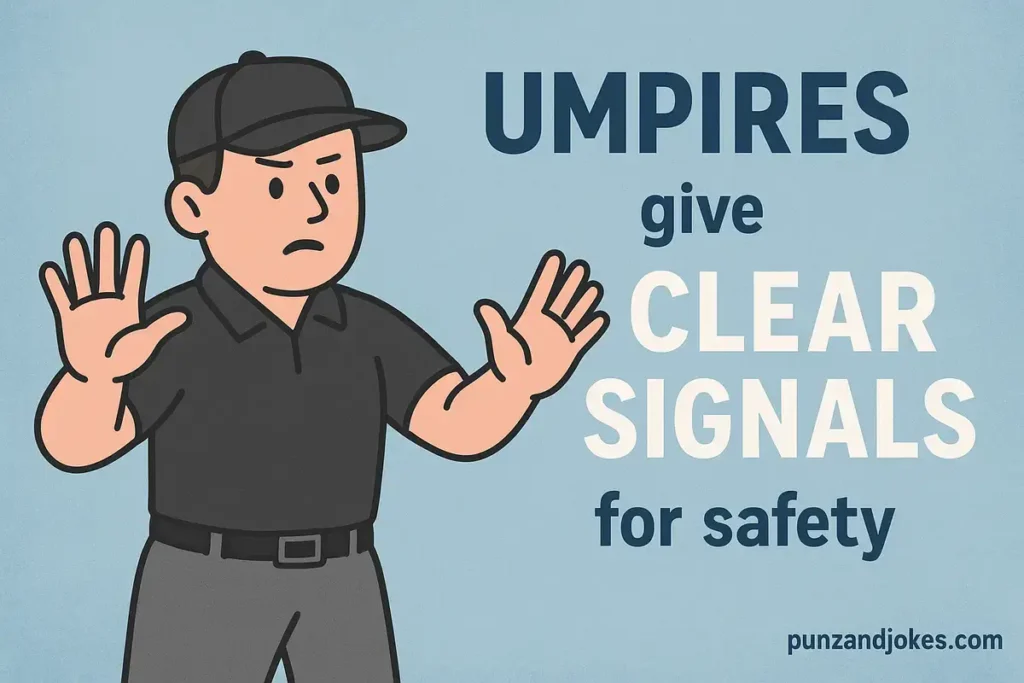
No Ball In Cricket Waist Height
Waist-high deliveries are important for safety and scoring opportunities. Bowlers need precision, and batsmen need awareness.
- Balls above waist height are called no balls immediately.
- Umpires give clear signals for safety.
- Batsmen often celebrate extra chances.
- Crowd reacts enthusiastically to big hits from free hits.
- Bowlers refine delivery techniques to avoid penalties.
- Coaches emphasize height control in practice.
- Young players learn correct stance and timing.
- Waist-high calls are consistent across formats.
- Safety rules prevent serious injury.
- Free hits create scoring opportunities.
- Strategic planning includes avoiding waist-high penalties.
- Teams adapt field placements after no balls.
- Humor helps lighten tense moments.
- Fans enjoy the suspense and excitement during such calls.
Expert insight: Safety first matters most, but showing confidence and humor keeps everyone engaged and entertained.
Side Crease No Ball Rules
Overstepping the side crease can result in penalties. Bowlers need awareness of their position at all times.
- Stepping beyond the side crease counts as a no ball.
- Umpires monitor closely for accuracy.
- Bowlers practice maintaining crease discipline.
- Free hits often follow side crease no balls.
- Batsmen take advantage of the extra delivery.
- Teams adjust tactics based on no ball calls.
- Fielders remain alert to avoid mistakes.
- Crowd notices even minor errors.
- Overstepping can affect team morale.
- Strategic coaching focuses on reducing side crease penalties.
- Humorous celebrations lighten the atmosphere.
- Bowlers refine balance and delivery technique.
- No balls add excitement and unpredictability.
- Players show sportsmanship after calls.
Expert insight: Discipline matters, but personality and humor make the game enjoyable for players and fans alike.
Free Hit Rules After No Ball Meaning
Free hits are an exciting reward for the batting side. They make no balls even more dramatic and entertaining.
- Batsmen cannot be out from most dismissals on a free hit.
- Bowlers adjust their delivery to avoid extra damage.
- Fielders stay alert for big shots.
- Crowd cheers grow louder during free hits.
- Free hits often lead to boundaries.
- Bowlers practice carefully to reduce free hits.
- Umpires signal clearly to keep everyone informed.
- Batsmen use creativity to maximize scoring.
- Strategic placement of fielders can still challenge free hits.
- Captains guide players to take advantage wisely.
- Humor and playful gestures often follow free hits.
- Young players learn how to react under pressure.
- Free hits bring unpredictability to the game.
- Every free hit adds energy and excitement for fans.
Expert insight: Rules set the stage, but charisma and timing make free hits unforgettable. A confident smile can be as powerful as a perfect shot.
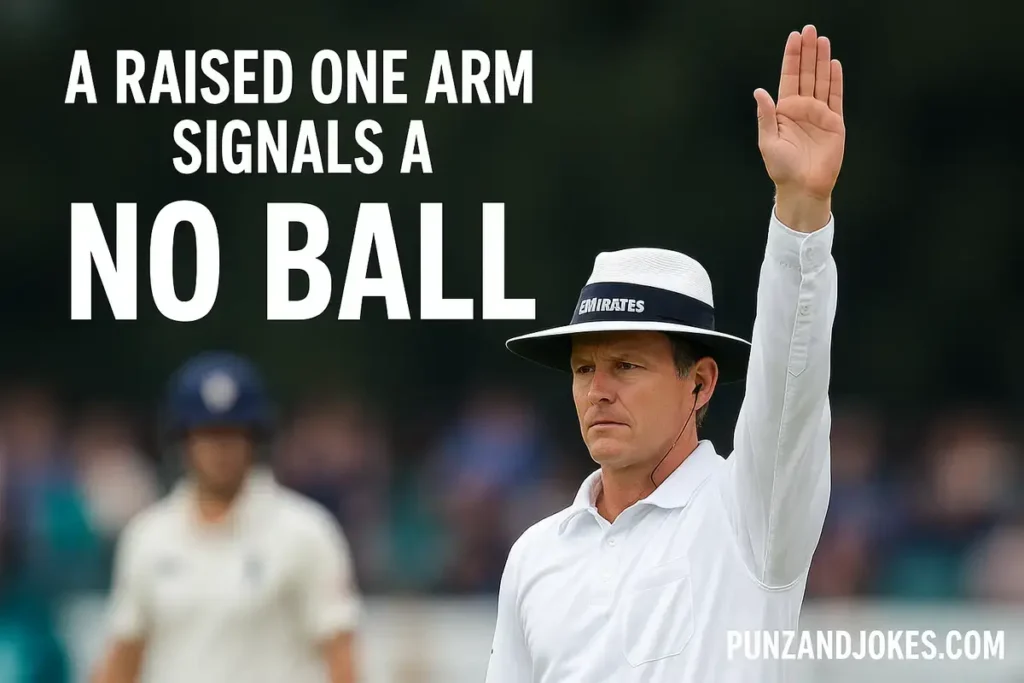
Umpire Signals For No Ball
Umpire signals keep everyone on the same page and make the game more understandable. Knowing them adds fun for fans and players.
- A raised one arm signals a no ball clearly.
- Signals help batsmen stay safe and alert.
- Bowlers instantly know they need a reset.
- Fielders adjust positions according to calls.
- Crowd follows the signals to stay engaged.
- Clear umpire gestures prevent confusion.
- Free hits are communicated through standard signals.
- Umpires maintain authority and flow of the game.
- Young fans learn the rules faster by watching gestures.
- Technology assists umpires in some formats.
- Signals add a visual layer of excitement.
- Players can react with humor while respecting the rules.
- Captains guide strategy based on umpire calls.
- Consistent signaling keeps cricket fair and enjoyable.
Expert insight: Knowing the signals is helpful, but how players react with humor, respect, and confidence is what makes the game memorable.
Related article: 140 Security Puns That Will Make You Smile Every Time
Conclusion
No Ball Meaning shows how rules and moments combine to shape cricket. Embrace these rules, share the knowledge with humor, and enjoy every delivery. Try spotting no balls meaning in your next game and watch how it changes the excitement.
FAQs
What is the No Ball Meaning in cricket?
No Ball Meaning refers to any delivery that breaks the rules, giving the batting side an extra chance and often a free hit.
Why are no balls meaning in cricket?
No balls affect scoring, strategy, and safety. They can change momentum and create exciting moments for players and fans.
How do waist height no ball rules work?
Any ball above the batsman’s waist is called a no ball to protect players and ensure fair play. Bowlers must control height carefully.
Can a batsman be stumped off a no ball?
No, batsmen cannot be stumped from a no ball. The rules give them extra security and scoring opportunities.
What is the role of umpire signals for no balls?
Umpire signals communicate no balls clearly to players and fans. They help everyone understand the call and maintain smooth gameplay.

Finding punchlines in the pantry since 1990.
Jake Turner is a Chicago-based comedy writer and lifelong pun enthusiast. When he’s not crafting witty one-liners, he’s probably sipping black coffee and trying to make his cat laugh. Jake’s humor style blends dry wit with everyday absurdity, making his puns relatable and sharp.